
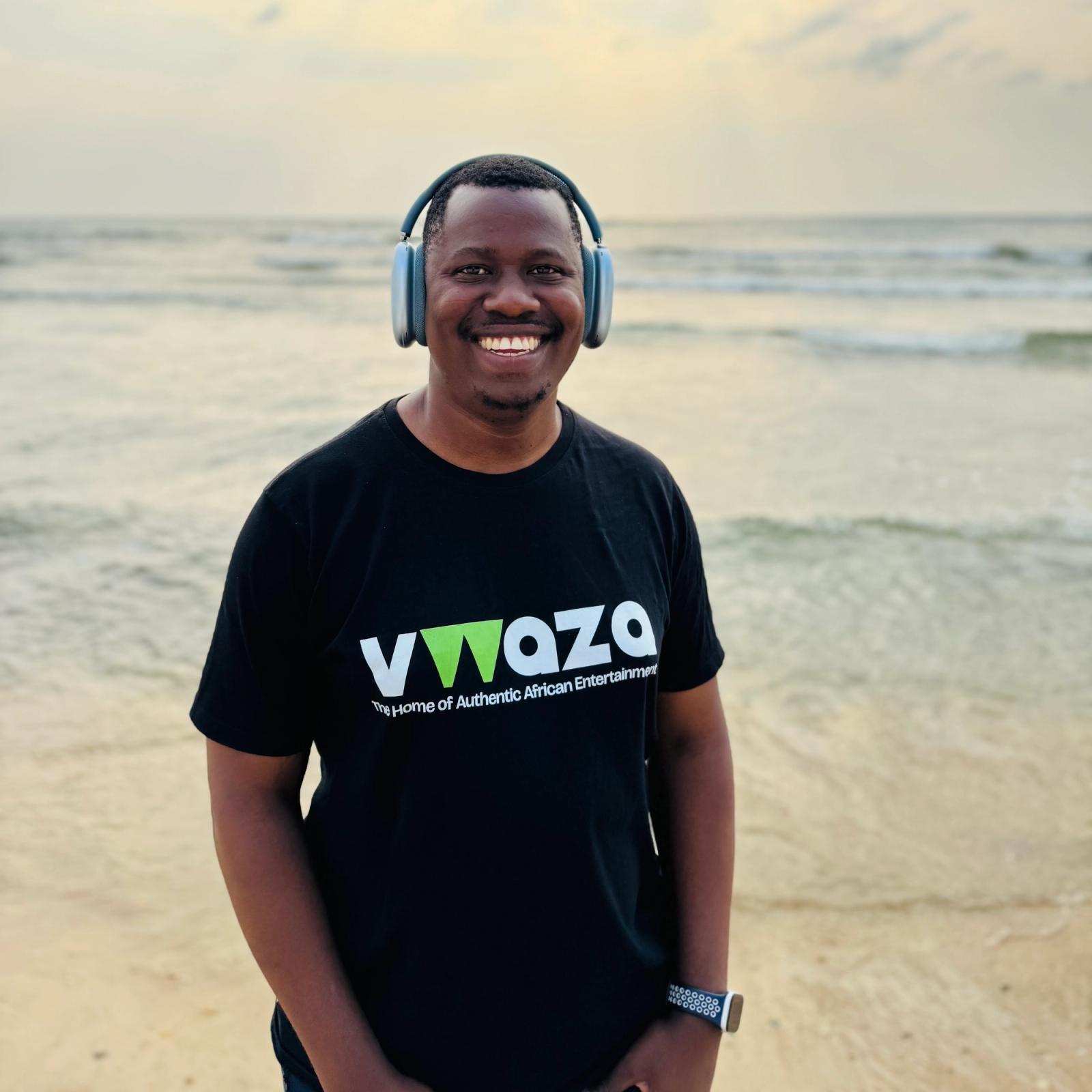
In 2021, while the world was still recovering from a global pandemic, a software engineer in Lilongwe, Malawi, was writing the first lines of code for what would become Vwaza Multimedia. Joel Fickson Ngozo, who had started learning computer science at age 10, saw something that international streaming giants couldn't – or wouldn't – see: African artists were being systematically shortchanged by platforms that weren't built with them in mind.
This is the real story of how Vwaza evolved from a simple idea into a movement that's changing how African music reaches the world.
The Problem Was Clear. The Solution Wasn't.
When Joel launched Vwaza Multimedia on June 9th, 2021, the statistics were damning.
Studies showed huge pay gaps between creators across the globe based on race and gender.
African artists on international platforms were getting the worst deal, and that is if they were lucky enough to get paid at all. Many couldn't even access their earnings because the payment methods didn't work in their countries.
"International platforms, despite being accessible to Malawian musicians, do not have the African, let alone Malawian, musician in mind," Joel observed. It wasn't just about the money – it was about dignity, access, and ownership.
The initial vision was straightforward but revolutionary: create a platform that vigorously centers African artists, giving them a dynamic streaming and distribution platform that showcases their authentic work to a worldwide audience. But as Joel would say, "imperfect is perfect". You have to start somewhere and move fast…
Building While Learning: The Early Evolution
Starting with just a handful of artists and listeners, Vwaza began addressing the most pressing problems first. The platform launched with an 80/20 revenue split in favor of artists – a complete reversal of the industry standard where artists typically see only 12-15% after everyone else takes their cut.
But revenue sharing was just the beginning. African artists faced unique challenges that Silicon Valley platforms never considered:
- Payment Accessibility: Vwaza integrated local payment methods like PayChangu for Malawi and pawaPay for broader African markets. Artists could withdraw earnings directly to mobile wallets – no waiting to reach arbitrary streaming thresholds, no international bank accounts required.
- Currency Flexibility: Users could pay in Malawi Kwacha or US dollars, removing the friction of forced currency conversions that often ate into artist earnings.
- Ownership Model: While the world moved to subscription streaming, Vwaza recognized something fundamental about African music consumption: people wanted to own music, not rent it. So, the platform brought back the concept of permanent ownership, letting fans buy and keep music forever, just like the CD era.
The Three-App Evolution: Meeting Artists Where They Are
By 2023, Vwaza had evolved beyond a simple streaming service into three interconnected platforms, each serving a specific need in the creative ecosystem:
The Music App: How Africa Really Listens
The Music app wasn't built in a Silicon Valley boardroom; it was shaped by how music actually moves through African communities. With a mobile-first design that works on basic Android phones with spotty 3G, it recognized that music in Africa is social and communal.
Features like discovering what nearby users are listening to came from observing how music spreads in real life – in shared taxis, at markets, through communities. The app now hosts over 10,000 African songs with plans to reach 100,000 tracks by mid-2025.
The Studio App: Professional Tools, African Context
The Studio App emerged from conversations with artists who were juggling multiple platforms to manage their careers. It provides everything from upload capabilities to real-time analytics, campaign management tools for pre-save and early access releases, and AI-powered insights that help artists understand their audience.
Artists don't just upload and hope; they get data on who's listening, where, and when. They can run campaigns, manage releases strategically, and actually see their earnings in real-time.
The Marketing App: Education Meets Discovery
The Marketing App became Vwaza's way of not just providing tools but teaching artists how to use them. With comprehensive guides on everything from content upload to monetization strategies, it bridges the knowledge gap that often keeps talented creators from succeeding.
Real Impact: The Lawi Moment
Wednesday the 23rd of July 2025 marked a turning point for Malawian music. When Lawi, one of Malawi's most respected artists, signed an exclusive distribution agreement with Vwaza for his My Father's Land album, he became the first Malawian artist to release work exclusively on a Malawian platform.
This was both symbolic AND revolutionary. It proved that African artists didn't need to go through international gatekeepers to reach global audiences. The partnership shifted tides in Malawi's music industry, ushering in new waves of hope for what is possible.

Beyond Borders: The Refugee Camp Sessions
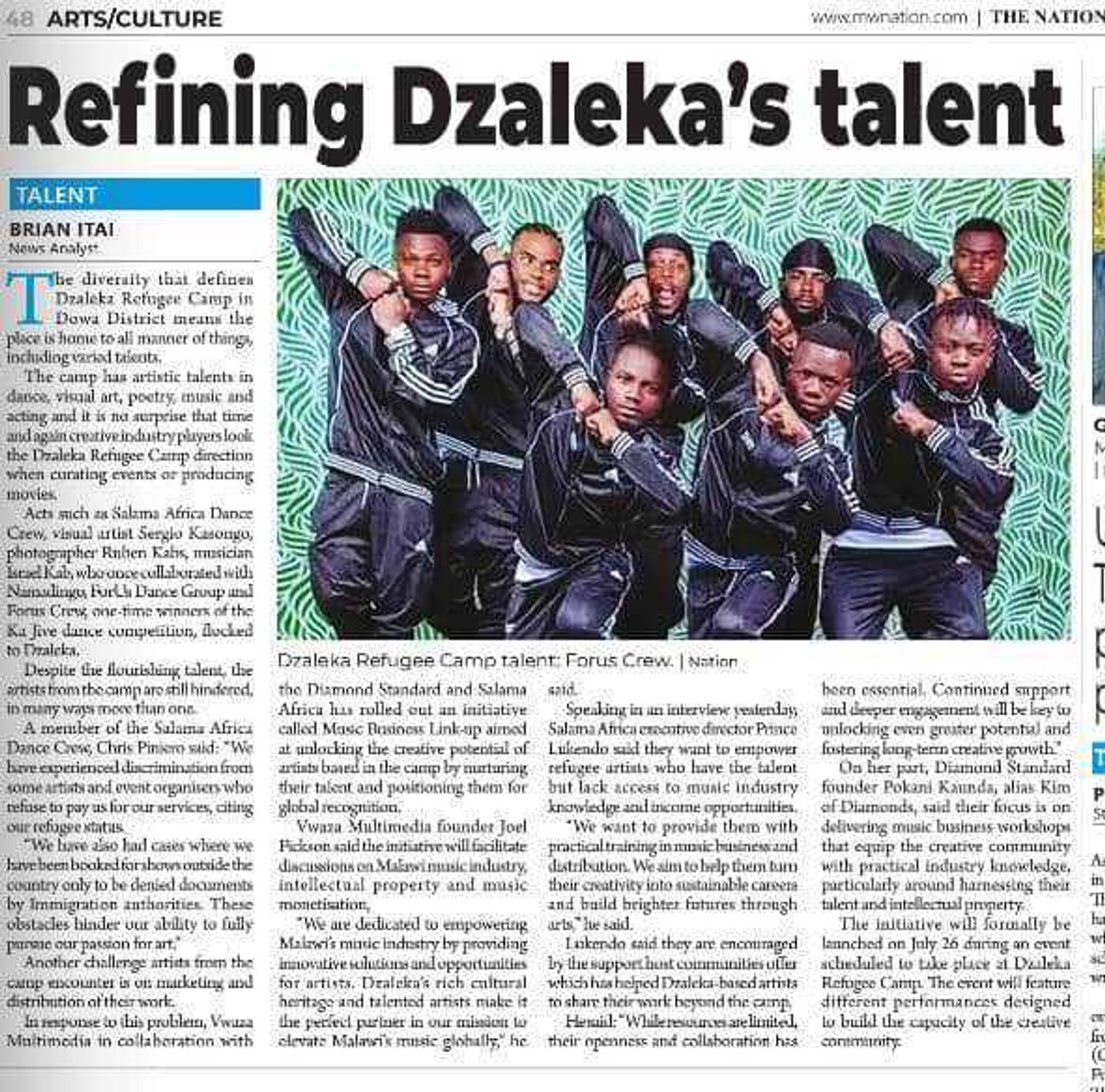
In July 2025, Vwaza partnered with The Diamond Standard and Salama Africa to host music workshops at Dzaleka Refugee Camp in Dowa District. This wasn't corporate charity; it was recognition that talent exists everywhere, even in the most challenging circumstances.
The workshops equipped artists with practical knowledge about the music industry, distribution, and monetization through the platform. It was about unlocking the untapped creative potential and proving that, with the right tools and knowledge, anyone could build a music career.
The Numbers Tell the Story
From 220 listeners across Africa, USA, Europe, and China in its early days, Vwaza grew to over 3,000 users by early 2025 and is approaching 7,000 users as of October 2025. The platform now features artists from over 5 African countries, with the team growing from a solo founder to 12 employees.
But the most important numbers are these:
- 80% of earnings go directly to artists
- Artists can withdraw earnings immediately to mobile wallets
- Over 100 artists are actively using the platform
- 10,000+ songs available, targeting 100,000 by mid-2025
What Artists Lose Without Platforms Like Vwaza
The cost of staying on international platforms isn't just financial, it's existential. Artists lose:
- Fair Compensation: Instead of 80%, they get 12-15% IF they're lucky
- Payment Access: Many can't even receive payments in their countries
- Audience Insights: No data on who's listening or where
- Creative Control: Algorithms designed for Western markets don't understand African music consumption patterns
- Cultural Context: Their work gets lumped into generic "World Music" categories
As Joel puts it, "We want to move away from the subscription-based model that most streaming services use. We understand that people no longer want to keep paying monthly for music."
Features That Didn't Make It (And Why)
Not everything Vwaza tried worked. For instance, the platform learned that African artists didn't need another social network, they needed tools that worked with their existing social presence. Some features were simplified or removed based on user feedback, keeping the focus on what actually helps artists succeed.
For instance, the "edit price" feature, which allows fans to pay more than the listed price if they want to support an artist extra, came from observing how African communities already support their artists through informal channels.
The Road Ahead: From Thousands to Millions
As Vwaza approaches 7,000 users and prepares to expand its catalog to 100,000 tracks, the vision is becoming clearer. The recent launch on Apple's App Store opens new markets, while partnerships with local payment providers make the platform more accessible across Africa.
The company's growth from one developer to 12 employees shows that this isn't just a passion project anymore – it's a sustainable business model that proves you can center artists and still grow.
Why This Evolution Matters
Vwaza's evolution isn't just about features or user numbers; it's about proving that African solutions to African challenges work. Every artist who uploads their first song, every fan who buys music in their local currency, every successful campaign run through the platform, is a small revolution against a system that has historically excluded African creators.
When international platforms treat African music as an afterthought, Vwaza makes it the main event. When payment systems exclude African artists, Vwaza builds bridges with mobile money. When algorithms don't understand African music patterns, Vwaza creates systems that do.
The Continuing Journey
From that first line of code in 2021 to hosting thousands of users in 2025, Vwaza's evolution reflects the broader transformation happening in African creative industries. It's not waiting for permission or validation from international gatekeepers; it's building its own future.
As Joel Fickson says, following Mark Zuckerberg's philosophy: "Move fast and break things." But in Vwaza's case, we’re not breaking things, we’re building something that was missing all along: a platform that truly understands and serves African creators.
The message to artists is clear: You don't have to accept 12% when you deserve 80%. You don't have to wait for international platforms to notice you. You don't have to compromise your art to fit foreign algorithms.
The door is open. Your platform is ready. And unlike the giants, this one was built with you in mind from day one.
Welcome to Vwaza, where African music doesn't just stream, it thrives.
Join the movement at vwaza.com or download the app on iOS and Android.