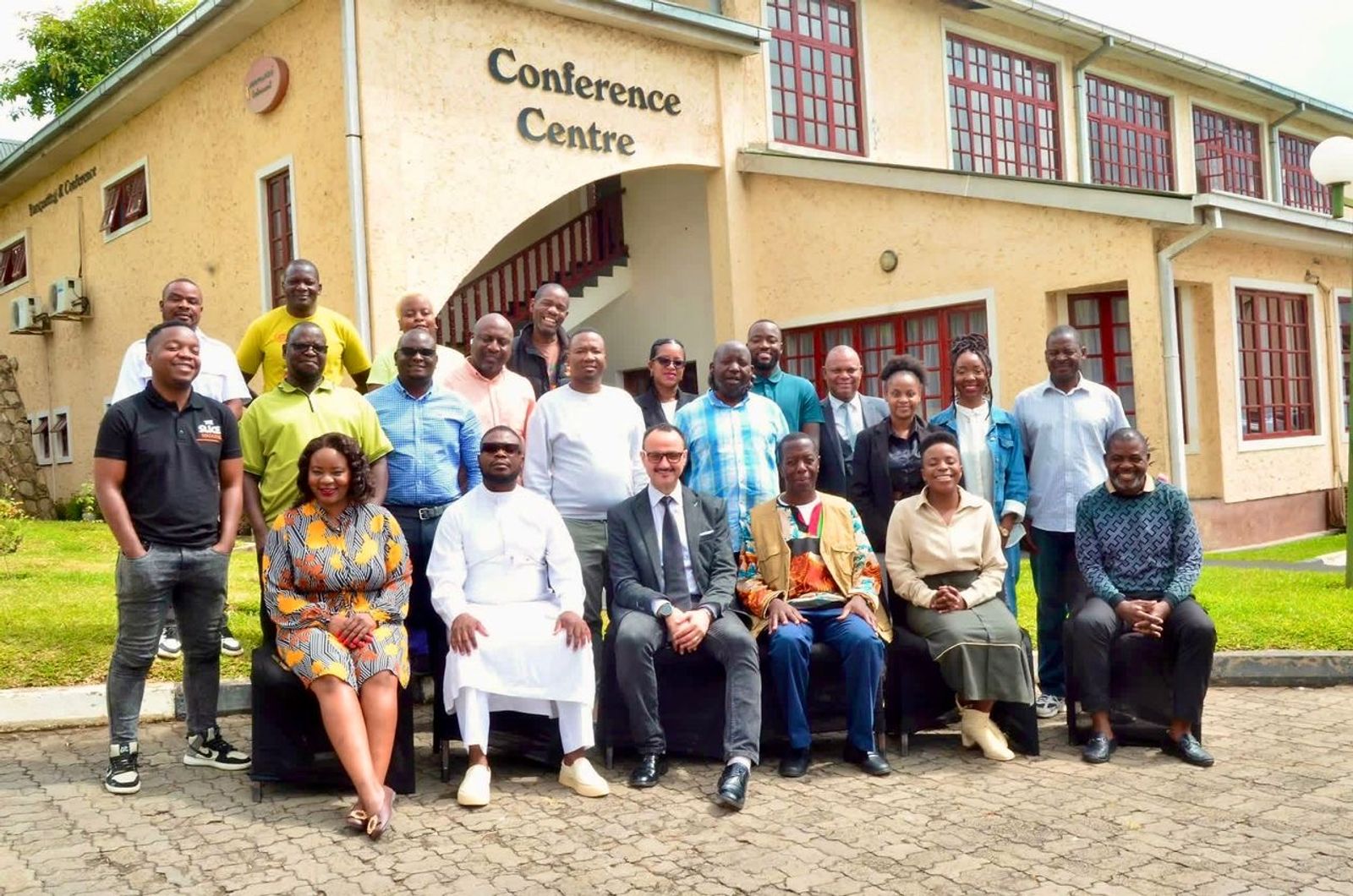
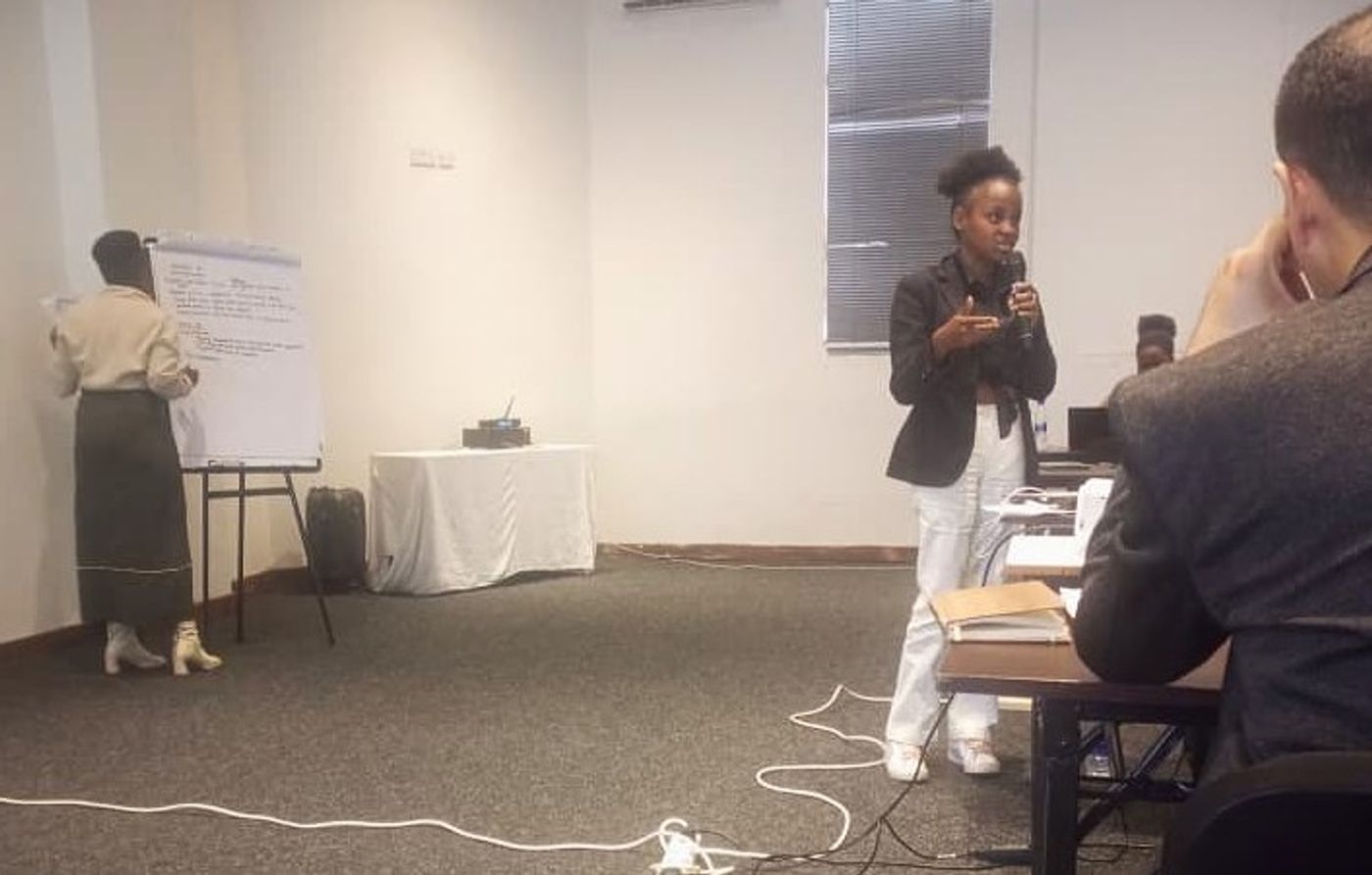
I was deeply honored to attend the recent National Digital Roadmap consultation meeting on behalf of Vwaza. It was a moment that reflects how our work and contributions to Malawi’s creative ecosystem are beginning to gain national recognition.
The consultation, organized under efforts to strengthen Malawi’s digital creative economy and implement the 2005 UNESCO Convention on the Protection and Promotion of the Diversity of Cultural Expressions to bolster Malawi’s digital environment, brought together creatives, policymakers, experts, and cultural stakeholders to discuss the future of arts and culture in a rapidly evolving digital world.
For me, this was more than just another meeting. It was a reminder that the conversations we have been pushing through Vwaza around digital empowerment, artist visibility, ownership, and monetization are finally becoming part of national policy discussions.
Why This Matters
One statement from the consultations stood out strongly: “Most internet users consume rather than create.”
That observation captures one of the biggest challenges facing Malawi’s creative industry today. We have incredible talent across music, poetry, fashion, film, photography, and digital arts, but many creators still struggle to access the infrastructure, tools, and platforms needed to turn creativity into sustainable income.
This is exactly where Vwaza comes in.
Our vision has always been bigger than just building another platform. We are building a digital home where African creatives can showcase their work, connect with audiences, collaborate, and eventually monetize their creativity in ways that are accessible and empowering.
Part of that vision is Vwaza’s realistic creator-first 80/20 revenue split model, where creators keep 80% of their earnings while the platform takes 20% to sustain its operations and growth. In an industry where artists are often undervalued or excluded from fair earnings, we believe creators should benefit the most from the value they create.
The Bigger Problem: Artists Are Still Not Making Money
The timing of this consultation is especially important because it comes at a moment when more conversations are emerging around the economic struggles artists face.
Despite the growth of social media and digital consumption, many artists are still not earning fairly from their work. Content is constantly consumed online, but the systems that ensure creatives benefit financially remain weak or disconnected.
Even companies like Meta have acknowledged that, for African creators to fully monetize digital content, many things need to be in place first, including proper digital infrastructure, policy frameworks, payment systems, creator protection mechanisms, and broader technological support.
During the consultations, several key issues were highlighted:
- Lack of digital infrastructure
- Limited access to devices and internet
- Weak policy coordination
- Funding and equipment shortages
- Gaps in legislative and organizational support
These challenges directly affect artists’ ability to distribute, protect, and monetize their work.
As creatives, we often hear people say “art is powerful,” but power without economic sustainability leaves many artists vulnerable. Recognition alone is not enough. Creatives deserve systems that allow them to thrive financially while preserving their cultural contributions.
Collaboration Will Be The Key
One thing became very clear throughout the consultations: achieving these goals will require collaboration across the entire creative ecosystem. Government institutions alone cannot do it. Platforms alone cannot do it. Artists alone cannot do it.
Working together with practitioners from across the industry — musicians, filmmakers, digital creators, cultural leaders, developers, policymakers, media professionals, and entrepreneurs — is vital to building a digital creative economy that truly works for Malawi.
That is why the decision to engage both local and international experts is such an important step forward. The involvement of renowned cultural expert Salim Dada feels like the jumpstart this initiative needed. Bringing together global experience with local realities creates an opportunity for Malawi to build solutions that are both ambitious and practical.
These conversations gave many of us hope that the roadmap is not being developed in isolation, but through inclusive consultation with the people who actually live and work within the creative industry every day.
Aligning with Malawi Vision 2063
Another encouraging part of the discussions was the alignment with Malawi Vision 2063 — particularly its focus on inclusivity, innovation, and building a self-reliant nation.
The digital creative economy has enormous potential to contribute to that vision.
Young people are already creating culture online every day. The missing piece is support:
- Better policies
- Digital infrastructure
- Creative education
- Investment in platforms
- Legal protections for artists
- Access to global markets
The roadmap discussions acknowledged that technological advancement has completely transformed how art is produced, distributed, streamed, and consumed. Malawi now has an opportunity to intentionally position creatives within the digital economy instead of leaving them behind.
More Than Just Another Meeting
What excites me most is the possibility that this consultation could become the beginning of real change.
Too often, important conversations happen in rooms full of passionate people, but very little implementation follows afterward. My hope is that this roadmap does not become just another document or another meeting that is forgotten over time. I hope it leads to action.
I hope it creates opportunities for artists to finally earn from their creativity in meaningful and sustainable ways.
And I hope platforms like Vwaza can become part of the history of transforming Malawi’s digital creative sector.
Seeing Vwaza mentioned within these discussions was incredibly meaningful. It affirmed that local solutions matter. It affirmed that creatives themselves should be part of shaping the future of the industry. And most importantly, it showed that innovation coming from young African founders can contribute to national conversations around culture, technology, and economic growth.
There is still a long road ahead, but moments like these remind me why we started.
This is not just about apps or platforms. It is about building systems where African creativity is protected, valued, visible, and profitable. And I’m grateful that Vwaza is part of that journey.